Opening
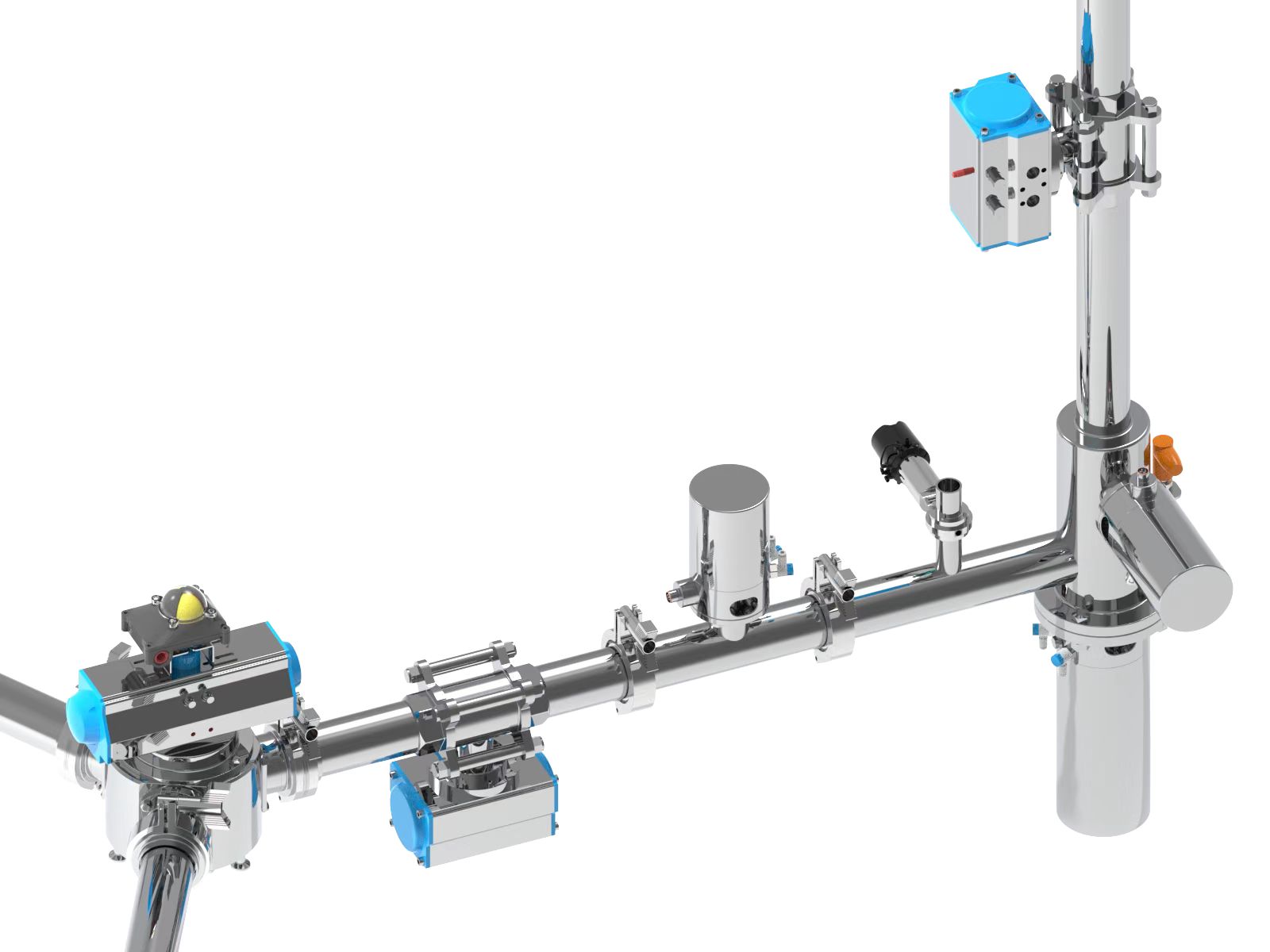
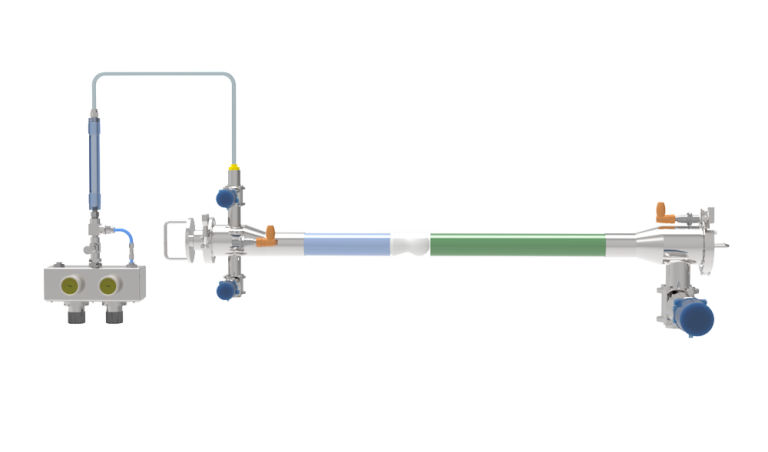
Motorized pipeline swabbing methods grant a notable advantage over hand-driven practices for retaining the condition of pipelines. These progressive processes streamline the activity of driving a "pig" – a customized device – through the pipeline to eradicate deposits like residue, degradation, and build-up. By lessening downtime and strengthening flow effectiveness, automatic pigging technology signify a crucial investment for trade relying on pipe transportation of media.
Sterile Scrubbing : Preserving Pipeline Sterility in The Food & Drink Area
Preserving impeccable spotlessness within the food & drink creation facilities is essential, particularly when it comes to ducts used for transporting concoctions. Sanitizing purging offers a formidable solution. This tailored technique involves inserting a instrument – often a cylindrical device – into the channel to remove contaminants, including organisms, and maintain holistic freshness. Benefits include decreased possibility of infestation, optimized produce merit, and maximized functional productivity. Considerations for use include implement structure compatibility with the material and tube material.
- Reduces pollution threat.
- Strengthens product safety.
- Amplifies output effectuality.
Pipeline Solutions: Boosting Efficiency and Lowering Spillage
Pipeline methods offer a remarkable enhancement in pipework procedure for various sectors, particularly within the gas and manufacturing sectors. By moving a “pig,” a tailored equipment, through the framework, accumulation are removed, restoring throughput and decreasing product wastage. This equates to a reduced outlay and a more eco-friendly strategy to equipment oversight.
This Future Pertaining to Pipelines: Researching Robotic Pigging Solutions
This prospect regarding pipeline control is increasingly being driven by smart pigging mechanisms. Traditionally, pigging tasks have banked on staff-driven intervention, but the deployment pertaining to autonomous pigs promises superior efficiency, decreased downtime, and superior safety. These advanced systems utilize probes, intelligence, and digital intelligence to inspect pipelines without assistance, identifying degradations and completing purging tasks with significant precision. Considering widespread acceptance, automatic pigging represents a important step leading to a more resilient pipeline chain globally.
Sanitized Flushing vs. Laborious Sterilization
Preserving pipework condition within the dairy industry presents a significant challenge. Historically, labor-intensive sanitizing has been the standard method, relying on laborers to manually remove debris and filth. However, this approach is resource-heavy, prone to inconsistencies, and can be complex to fully validate. Process clearing, on the other hand, offers a advanced alternative. This technique utilizes a unit propelled through the conduit to displace deposits, providing a enhanced and consistent purging process. Key distinctions include:
- Expense: Conventional washing often involves elevated labor payments, while flushing has initial investment cut down overall costs.
- Capability: Swabbing habitually offers increased capability compared to person procedures.
- Assurance: Verifying the completeness of purification is simpler with purging due to data logging capabilities.
- Security: Operator-based sanitation can expose technicians to dangerous conditions, whereas scrubbing decreases this hazard.
Rolling out an Self-acting Pigging Technology: Standard Protocols
Efficiently establishing an motorized pigging solution requires precise design and adherence to recognized best techniques. Primarily, conduct a exhaustive inspection of your tube to determine the relevant difficulties requiring clearance. This includes assessing the nature of residue, the place of halt points, and the overall state of the equipment. Subsequently, determine a pigging installation compatible for your unique operational requirements.
Moreover, highlight detailed instruction for employees engaged in the function procedure. This must include training on responsible management of the apparatus and comprehension of critical actions.
- Usually monitor the equipment and corresponding subsidiaries for defects.
- Initiate a resilient repair calendar.
- Capture all scrubbing procedures and linked statistics.
- Examine the influence on line output and fluid quality.
Finally, uninterrupted watching and enhancement of the operation plan are vital for achieving performance and maximizing the channel’s applicable activity span.
Resolving Recurring Problems in Sanitary Clearing Frameworks
Efficient function of sanitary pigging systems often entails scheduled diagnostics. Frequently, impediments because of scale formation are encountered, which is capable of be addressed through thorough inspection utilizing appropriate apparatus. In addition, pressure drops signal defective pigging cups or intra-pipeline deterioration. Regular support, including scraper taking off and thorough assessment of channel status, is required to prevent disruptions and safeguard optimal capability.
Motorized Pigging Methods for Industrial Ducts
Robotic rinsing offers substantial gains for process channels, automatic pigging system significantly enhancing operational output. This process provides a number of benefits, including reduced disruptions, minimized servicing payments, and improved fluid caliber.
- Lower line diminution leading to power efficiencies.
- Enhanced pipeline soundness, combating scaling.
- Improved speed by dislodging deposits.
- Enhanced wellbeing for crew and the ecosystem.
Economic Benefits with Spotless and Automatic Cleaning Methods
Implementing pristine and machine-driven swabbing processes offers substantial price cuts for channel operators. These innovative technologies minimize material loss due to leftover layers, significantly diminishing scrap. Beyond fluid recovery, pigging solutions minimize the frequency of routine pipe shutdowns for repair, translating to enhanced functional time. Furthermore, the lessened need for operator input and cleaning agent requirement further enhances the overall economic efficiency of your system.
- Less Item Loss
- Improved Output Capacity
- Decreased Operator Involvement Spending