Hi there
AnWrist Device’s Heart Rhythm attribute has innovated how diverse users observe their heart health. This summary delves into the system of the ECG application on the Smartwatch, describing how it executes and what type of details it can give. We’ll explore the essentials of cardiac recordings, potential shortcomings, and paramount points to safeguard in thought before trusting the evidence. Ultimately, this document aims to guide you to understand your pulse’s rhythm with the help of your Wearable
Mastering ECG+ using Your Smartwatch
One's Device furnishes an impressive option, the ECG+ utility, allowing you to obtain an electrocardiogram promptly from your wrist. This instrument isn't a equivalent for regular medical checkups, but it delivers valuable intelligence about your heart flow. The ECG+ app detects atrial fibrillation (AFib), a condition of irregular heartbeat, and can uncover other heart deviations. To make use of it, ensure your watch and iPhone are supported. You’ll have watchOS 7.5 or subsequent and iOS 14 or most recent on your iPhone. The process demands placing your fingers on the Digital Crown and second area below it, waiting the watch finish the reading. Results are recorded in the Health app and can be distributed with your clinician.
- Check proper watch positioning.
- Respect on-screen instructions.
- Reach out to results with a healthcare professional.
How Apple Watch Cardiac Feature Operates
An The device’s ECG function uses an innovative approach to capture your coronary electrical patterns. It performs by utilizing electrical probes located within the circular button and the wristband. When you initiate an ECG test, these parts send tiny electrical charges through your skin, which subsequently pick up the electrical patterns of your heartbeats. These data points are reviewed by cutting-edge formulas within the apparatus to assemble an ECG report, which can then be considered within the health platform on your wireless device. With respect to accuracy, while the Apple Watch ECG detector can give valuable information, it is not a surrogate for a conventional ECG executed by a healthcare professional. Surveys have shown distinct levels of concordance with clinical ECGs, highlighting the urgency for scrutiny by a medical expert and it should be used as a mechanism for observation purposes, not for precise validation of cardiopulmonary conditions.
Clarifying the the Watch ECG Software
One’s Watch's ECG function can seem challenging, but grasping how it acts is relatively simple. It’s important to take into account that this function isn't developed to stand in for a doctor's evaluation; instead, it furnishes a reading of your vascular electrical function. To summarize, the watch leverages electrodes installed in the crown and display to track the pulse signals. The mechanism can reveal potential abnormalities like apple watch ecg atrial arrhythmia, which implicates additional medical attention.
- It's a foundational assessment.
- Always contact a medical.
- Examine the shortcomings.
Electrical Heart Test on Apple Watch: Evaluating Your Cardiac Readings
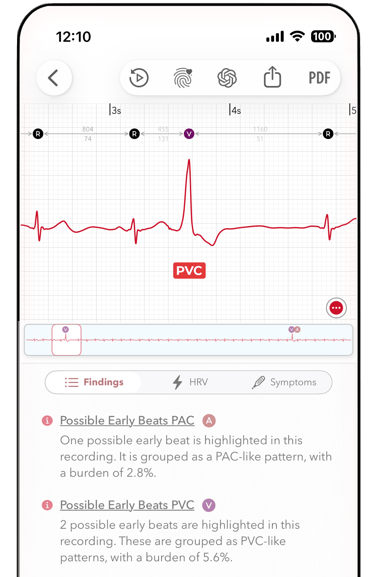
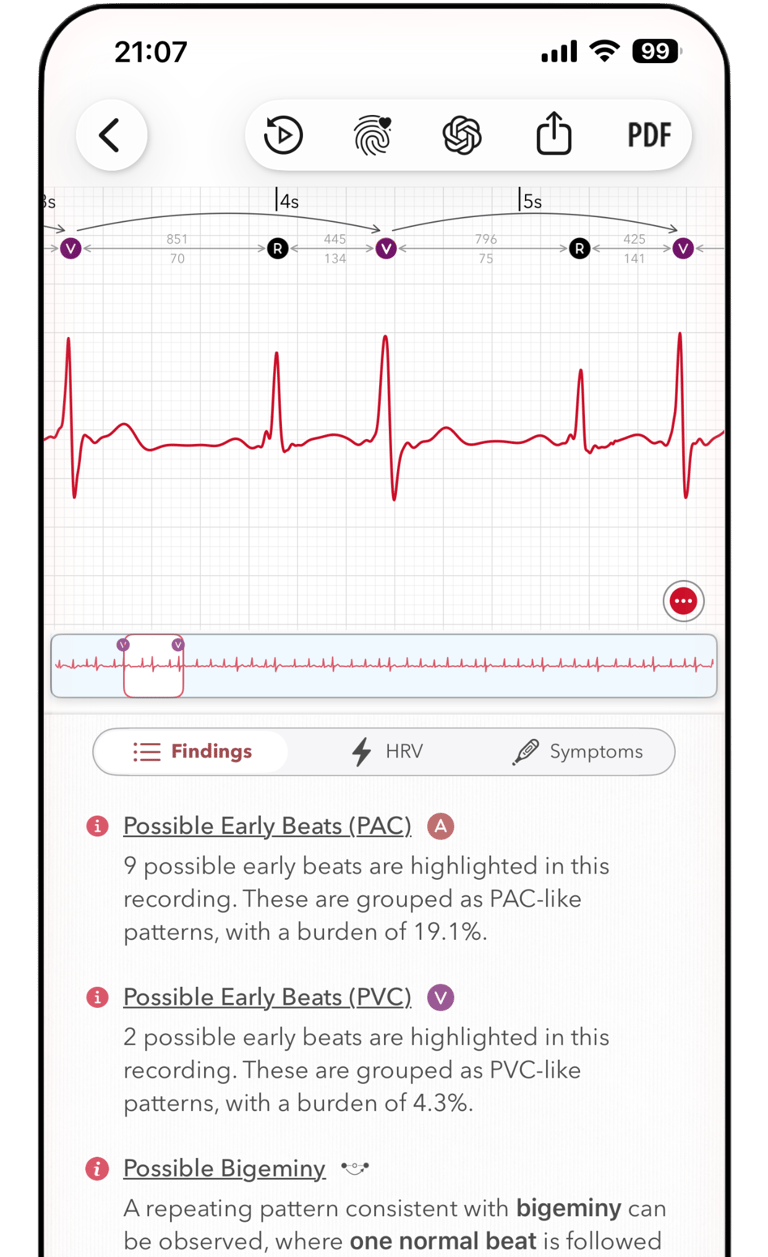
User’s Apple Watch's ECG feature offers a impressive glimpse into your cardiopulmonary rhythm. Nonetheless, it's key to remember that these interpretations aren't a back-up for a expert diagnosis. An ECG might detect abnormalities like atrial fibrillation (AFib), which is a pattern where your heart beats unevenly. Distinct findings could include normal sinus rhythm, or unusual patterns that demand supplementary investigation by a practitioner specialist. It is vital to share your ECG details with your practitioner for authentic assessment and tailored recommendations.
Do Your Electronic Watch Electrocardiogram Giving Exact Results?
The growing Apple Watch ECG feature provides a tempting glimpse into your cardiovascular health, but a query lingers: can it truly yielding accurate outputs? While the Apple Watch ECG is sanctioned by the FDA, it's important to understand it's not a substitute for a professional clinical evaluation. It’s designed to signal potential cardiac arrhythmias, which could imply a need for further investigation, but false indications and false non-detections are probable. Several determinants, including proper setting of the watch and cutaneous contact, affect in securing reliable results. Reflect on consulting with your healthcare provider regarding your ECG results and never judge independently by the Apple Watch's analysis.
- Check proper watch positioning.
- Talk about results with your health experts.
- Never self-treating based on ECG data.
Apple Watch ECG & ECG+: Properties and Pros Contrasted
Our Watch offers an modern ECG and ECG+ utility, offering users to obtain the electrocardiogram directly from their digit. The introductory ECG platform can spot signs of irregular heart rhythms, the potentially important heart abnormality. ECG+ enhances upon this, providing a augmented 30-second recording duration and extra analysis focused on highlighting port-side heart appendages, the ones that could be relevant for certain patients with selected past of unexplained hemorrhagic episode. These facilities symbolize a considerable leap in wearable therapeutic surveillance platforms, probably allowing for preliminary support and refined user accomplishments.
Correcting Typical Errors with the Apple Watch ECG
If a user’s Apple Watch ECG function isn't acting appropriately, diverse likely grounds for exist and are capable of being easily corrected. Initially, make sure that watch and your iPhone are upgraded with the latest software. In the next step, attempt initializing anew both devices; a straightforward reboot typically corrects trivial glitches. Moreover, examine the ECG features in the Health program to ascertain the required parameters stand as defined accurately. Ultimately, if a user is still having problems, connect to Apple Care for additional support.
Surpassing the Basics: Elaborate Apple Watch ECG Analysis
While the Apple Watch’s ECG capability offers a impressive tool for detecting potential atrial fibrillation, understanding exceeding the primary assessment reveals a landscape of sophisticated choices. Systematic observation of the entire waveform, including aspects like P wave structure, PR scope, and QRS aggregate, needs a comprehensive comprehension of cardiac mechanics. Furthermore, assessing trends over length and associating ECG measurements with case’s conditions can provide invaluable insights for additional healthcare review, while it's important to recognize that the Apple Watch ECG is will never be a proxy for a trained cardiac analysis.
See you