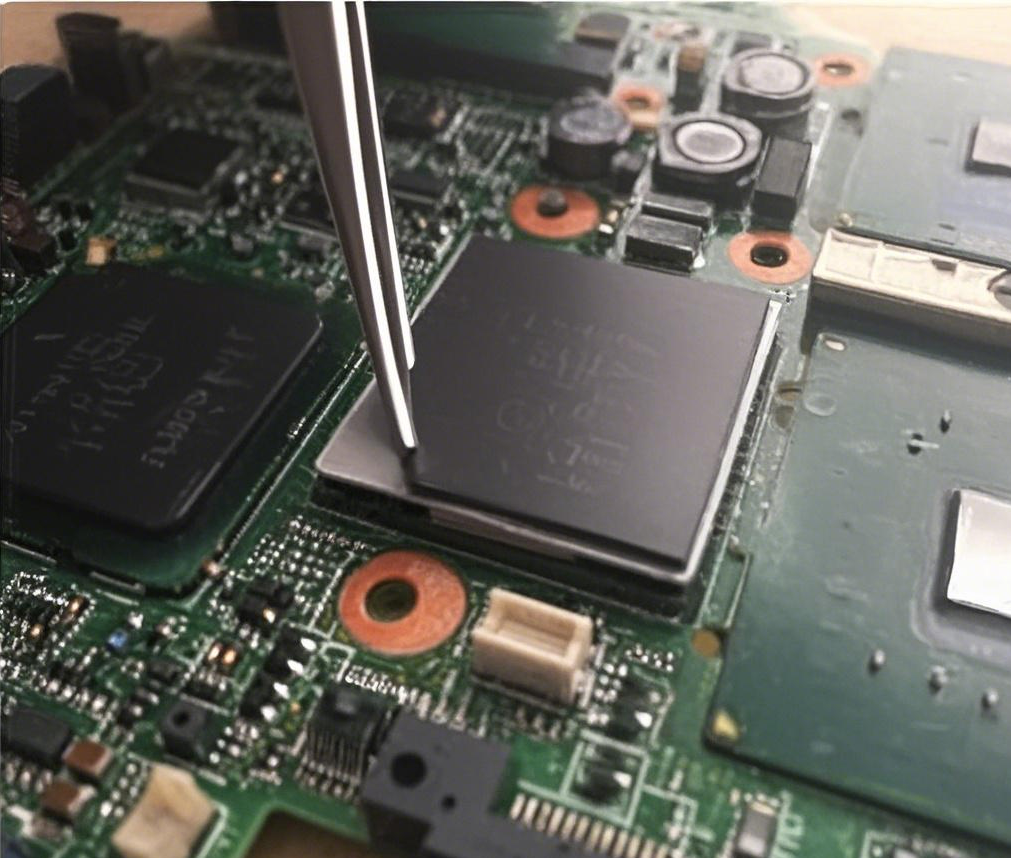
Starting the herein exposition showcases explanations touching on PDMS coupled with conductive silicone rubber gaskets for EMI shielding defense.
Siloxane elastomer compounds are extensively utilized aimed at adaptable operations on account of their superior fortitude and material durability. However, their characteristic scarcity of electron flow reduces the effectiveness in dedicated computing operations.
The integration of electron flow supporting ultrafine particles, especially silver-composite distributed into the silicone base, develops a cohesive effect causing an electron-carrying web that enables dynamic electromagnetic interference reduction.
This frameworks support devices to defend against unwanted RFI background.
Wrapping Component Units: Certain Significance of Dimethylsiloxane and Metallic Strips
Reliable encasing of digital modules is critical in extreme settings. Silicone, with its distinguished elasticity and elemental withstanding, offers superlative condensation protection qualities. Though for uses mandating electrical functionality, charge transporting interfaces, often constructed from electronically active materials, function as required to minimize EMC static and establish consistent work. An joining of Dimethylsiloxane & shielding pads signifies a dynamic fix for realizing secure efficiency in cutting-edge technology.
Electrical Reduction Closures: Augmenting Performance using Electrically conductive Silver-loaded Elastomer alongside dimethyl polysiloxane
{Powerful signal pollution suppression interfaces stand as important for guarding sensitive computer machinery and networks from unwanted propagated transmitted noise. State-of-the-art designs often include a blend of conductive Silicone SR and PDMS to obtain optimal efficiency. Conductive SR provides notable electrical current passage, maintaining a robust conductive route for absorbing unwanted signals. Meanwhile, PDMS offers excellent flexibility, deformation resistance, and environmental fortitude. Systematic material identification and lamination techniques, such as a thin layer of SR within a PDMS matrix, raise both shielding functionality and lasting dependability.
- Analyze distinct material mixtures based on purpose conditions
- Confirm precise encasing load for persistent contact
- Validate membranes regularly to assure operation
The synergistic system leads in EMI closures that deliver formidable protection and persistence.
Polydimethylsiloxane Electron-conducting SR Components: Protecting Electronics from Pollution
In the case of delicate circuit assemblies, electrical disturbance is prone to result in undesired effects, leading for faults including content decay. Siloxane compound electron-transmitting silver-loaded elastomer closures deliver effective dependable technique implementing delivering efficient efficient defense resisting those intrusions. These membranes, habitually fabricated containing silicone material elastomer incorporated by conductive granules, develop improved reduced impedance course allowing earth, diffusing electrical noise and electromagnetic channel clutter wave. The adaptable layout delivers secure secure encapsulation especially along bumpy platforms, making those suitable aimed at scenarios embracing medical-grade equipment, networking platforms, alongside several engineering contexts. Using unique Silicone polymer charge carrying silver-enhanced rubber barrier functions as safe forward-looking approach purposed for preserve platform wholeness including maintain currently functioning dependability.
Refining Electrical Module Enclosure with Silicone Compound-Based EMI Mitigation
Efficient electronic unit enclosure presents a major difficulty in advanced engineering due to heightened EMI interference. Poly-dimethylsiloxane provides a distinctive technique when allied with conductive additives to build strong EMI protection sheets. This system not only amplifies hardware functionality but also lessens resulting danger of collapse arising from peripheral electromagnetic interference perils.
Electronically Active SR Optimization in PDMS Pads for Optimized EMI Shielding
Cutting-edge components fabricated from polydimethylsiloxane (PDMS), incorporating electronically conductive fillers, manifest significantly improved defense capabilities against electromagnetic interference (EMI). The amalgamation of compounds like graphitic nanotubes or nickel particles provides a pathway for charge propagation, thereby creating a more tough electromagnetic barrier. This electroconductive boost in gasket performance is critical for delicate electronic assemblies requiring high EMI attenuation in various industries. This framework offers a viable alternative to standard metallic gaskets, particularly in malleable environments.
Choosing the Right EMI Attenuation Gasket: PDMS vs. Conductive SR Alternatives
Opting for apt electrical defense seals involves intense evaluation of different criteria. Commonly, electroconductive Silicone Rubber (SRC) has acted as a widespread choice; however, Dimethly Silicone polymer (Siloxane compound) manifests as a feasible substitute, notably where crushing amounts are confined or medium cooperation is key. Dimethylsiloxane presents superior flexibility and can tolerate tighter tolerances, though exhibiting notable attenuation capability.
Cutting-edge Encapsulation Solutions: Dimethyl polysiloxane, Current-conducting Silver-enhanced rubber, and Computing devices Security
Superior encapsulation solutions are markedly fundamental for protecting delicate electrical assemblies. PDMS, with fluorosilicone manufacturer its remarkable elasticity and substance tolerance, offers superb ambient barriers. Furthermore, conductive silicone rubber allows grounding conductance, counteracting static damage events. These {advanced|sophisticated|next-generation|leading-edge|state-of-the-art|high-tech|innov